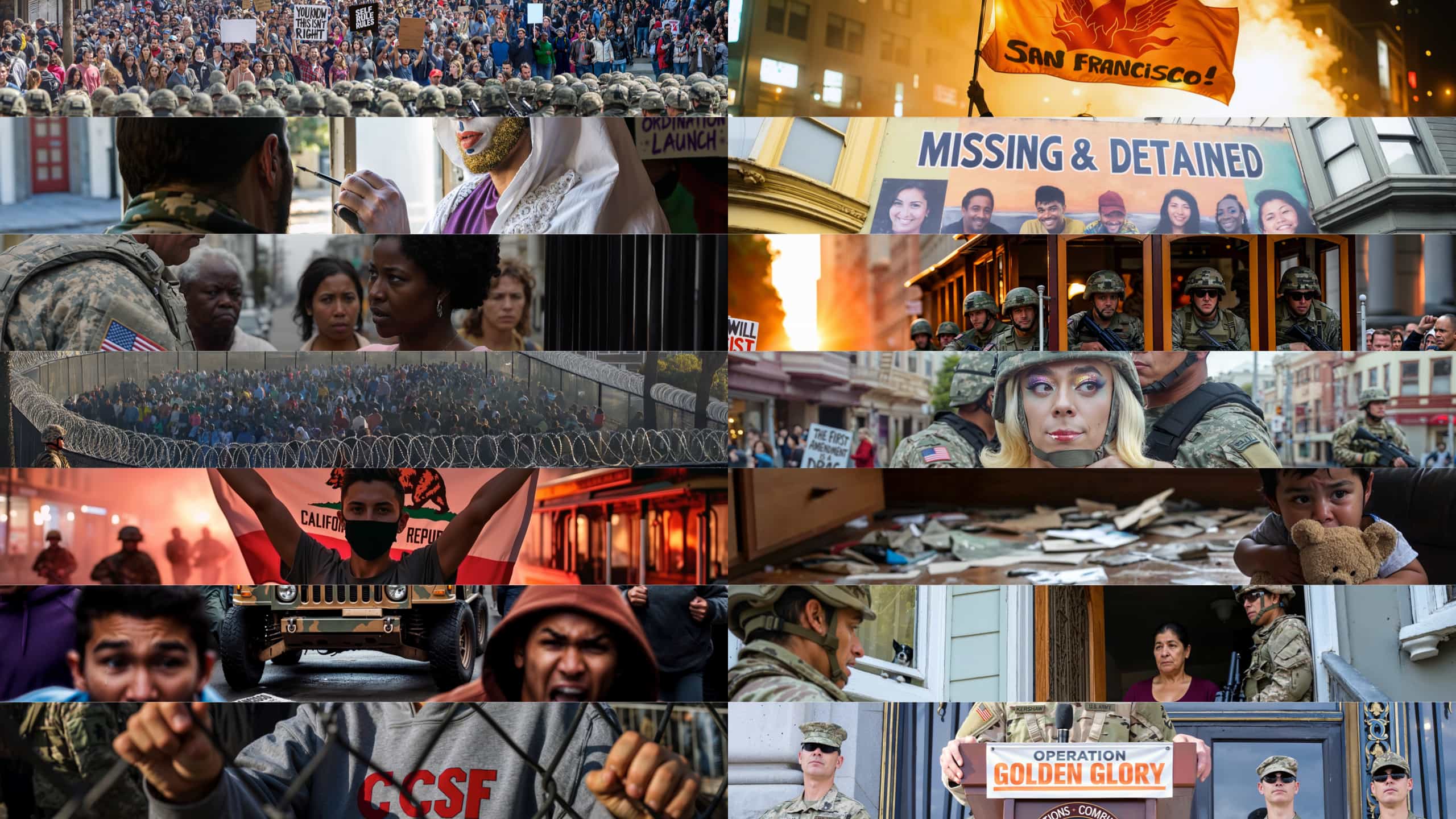
LATEST: Featured in Jan/Feb 2026 ACM Interactions magazine
About the Project
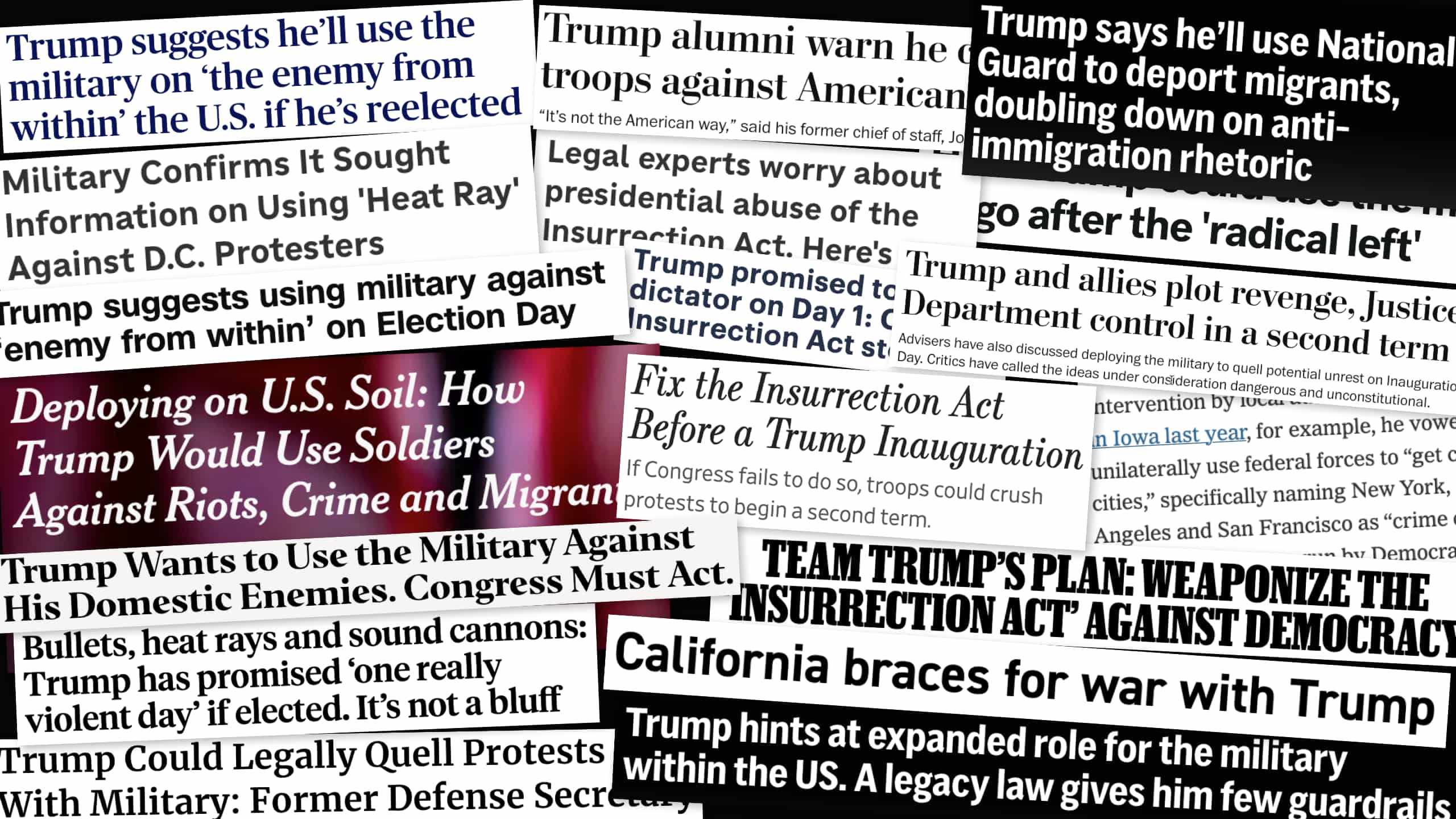
Insurrection: An American Future is a work of speculative journalism that examines the consequences of deploying military force into American cities. Published in January 2025 and based on documented plans and credible reporting from across the political spectrum, it portrays what was then a disturbingly plausible, yet hypothetical, scenario: the unprecedented domestic deployment of federal troops to suppress protest and erode democratic governance.
Six months later, the scenarios depicted here began to materialize. In June 2025, President Trump ordered the first deployment of federal troops to Los Angeles, followed by deployments to Washington D.C. in August and Memphis in October. Additional deployments to Portland and Chicago have been blocked by courts, though legal challenges continue. While these deployments have used different legal authorities, the president has repeatedly pledged to invoke the Insurrection Act itself—the exact mechanism at the heart of this project—specifically to override court rulings blocking his deployments. The project’s central premise—that the Insurrection Act could transform emergency authority into a tool for political control—has shifted from hypothesis to active possibility.
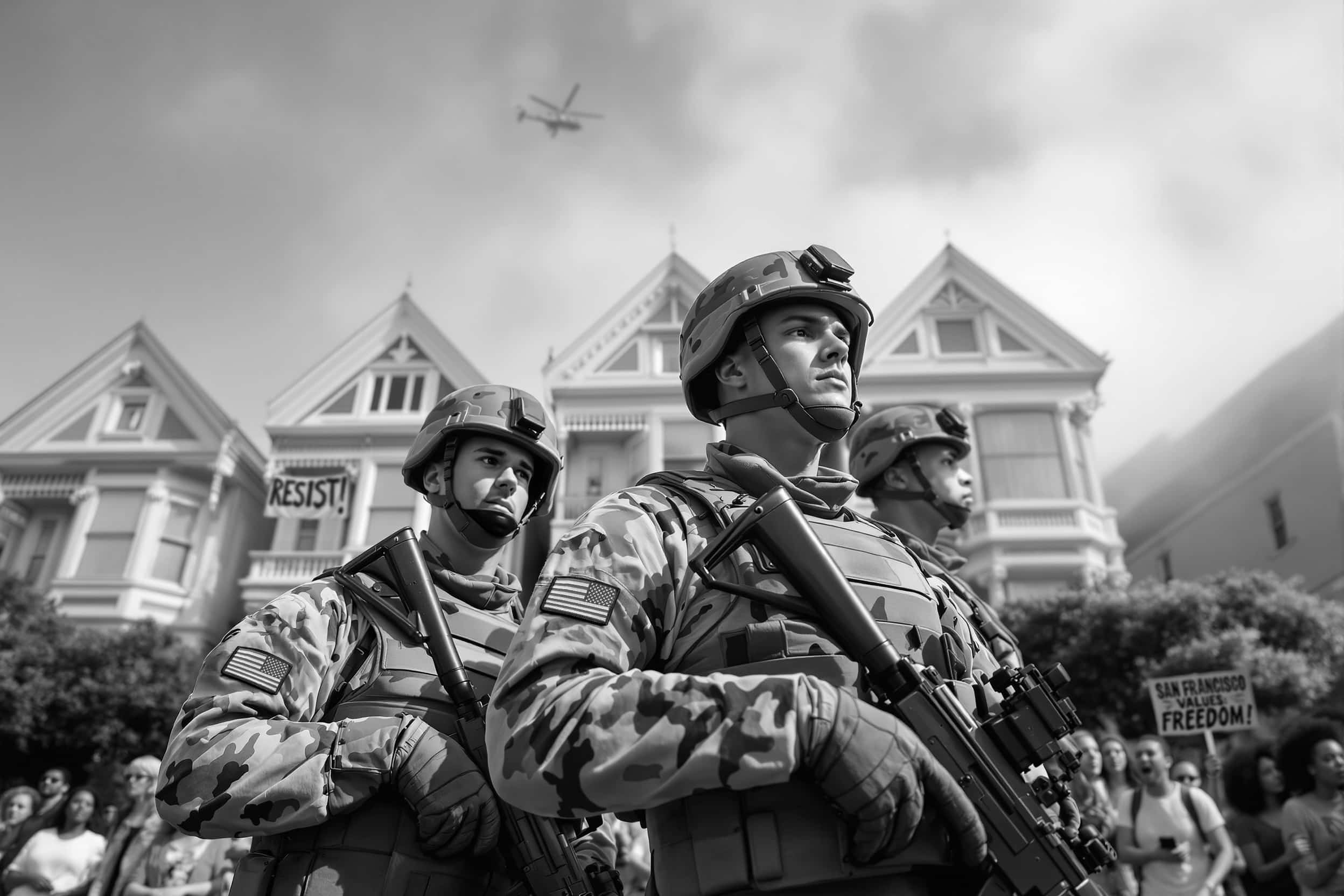
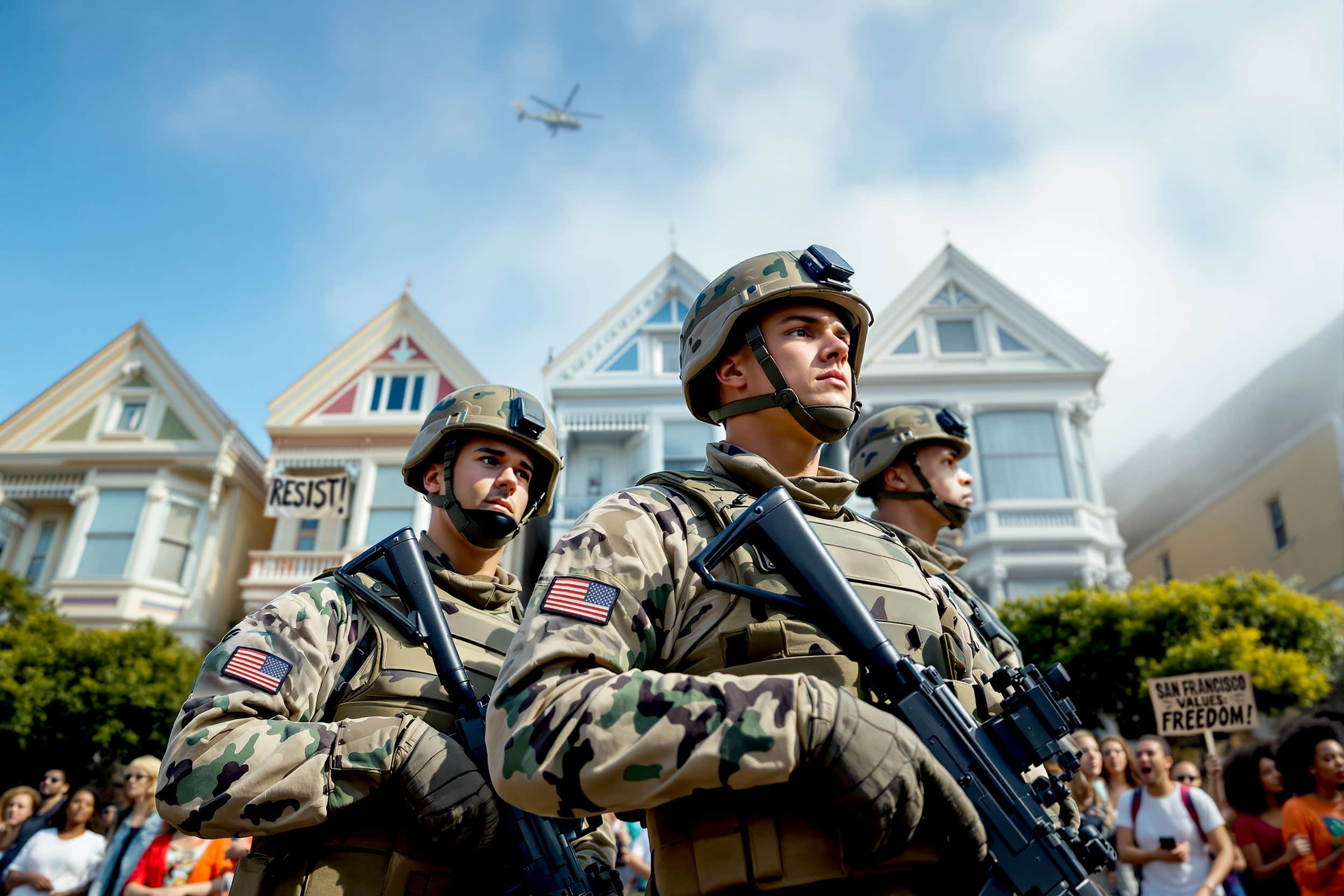
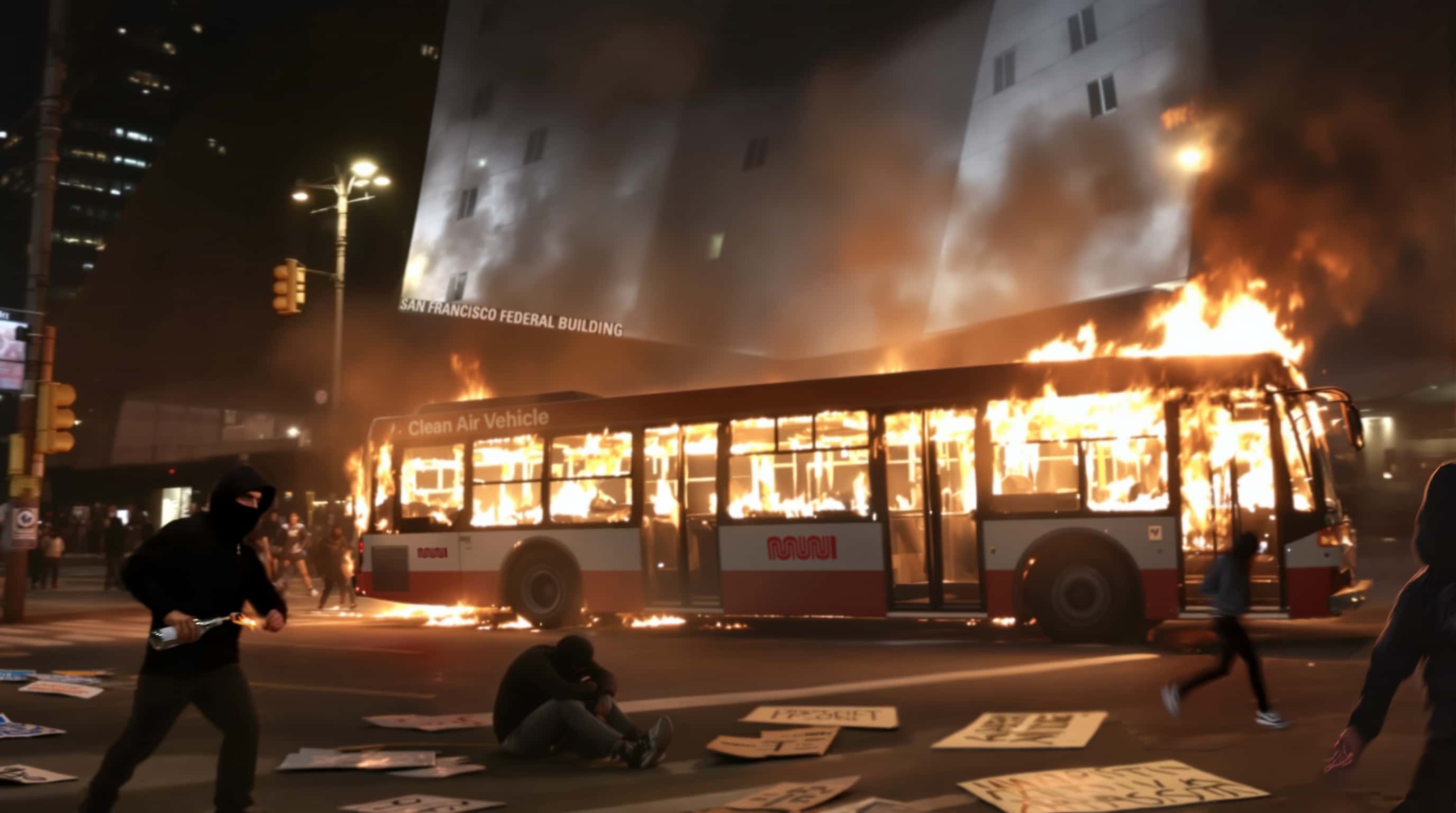
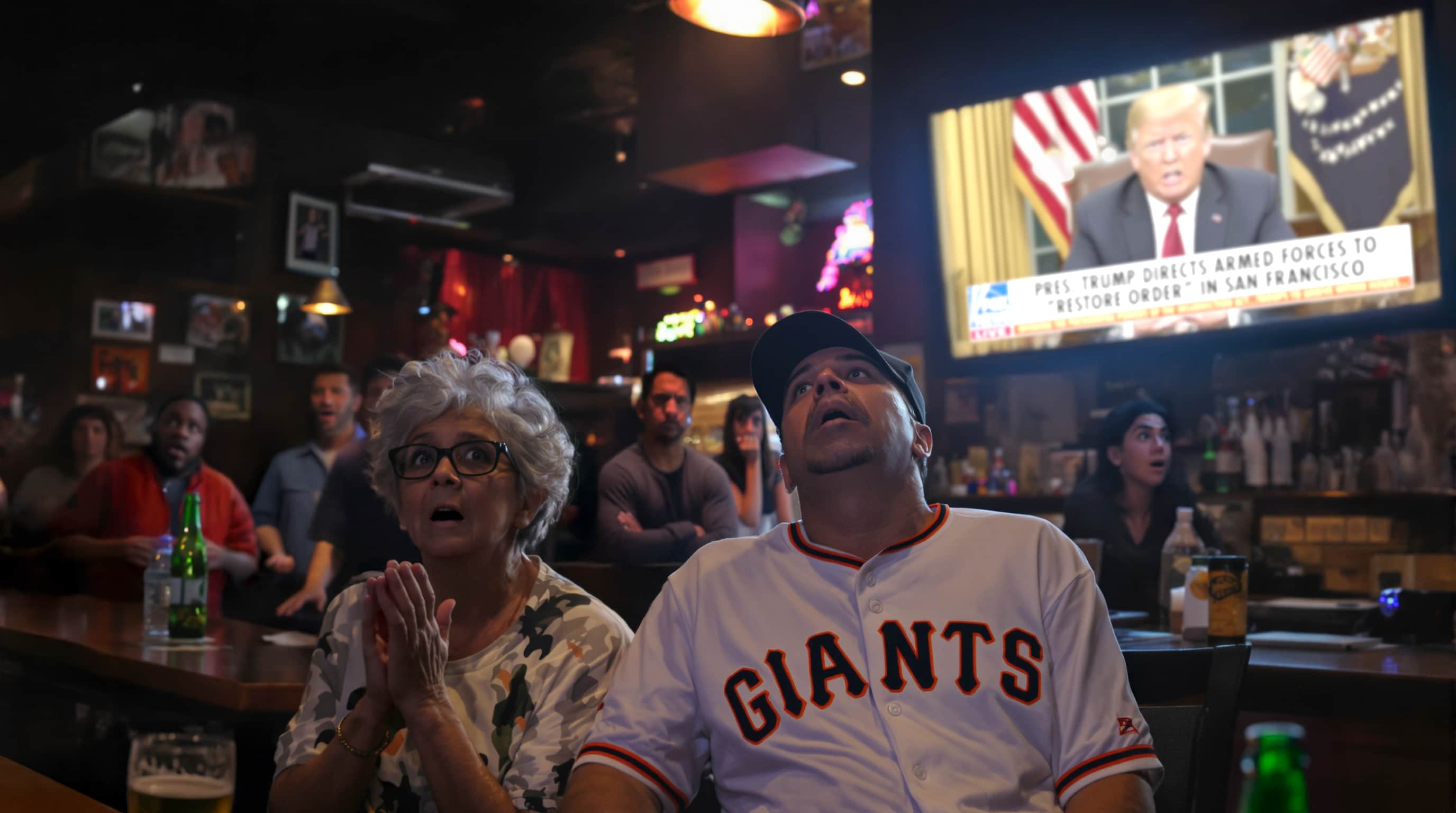
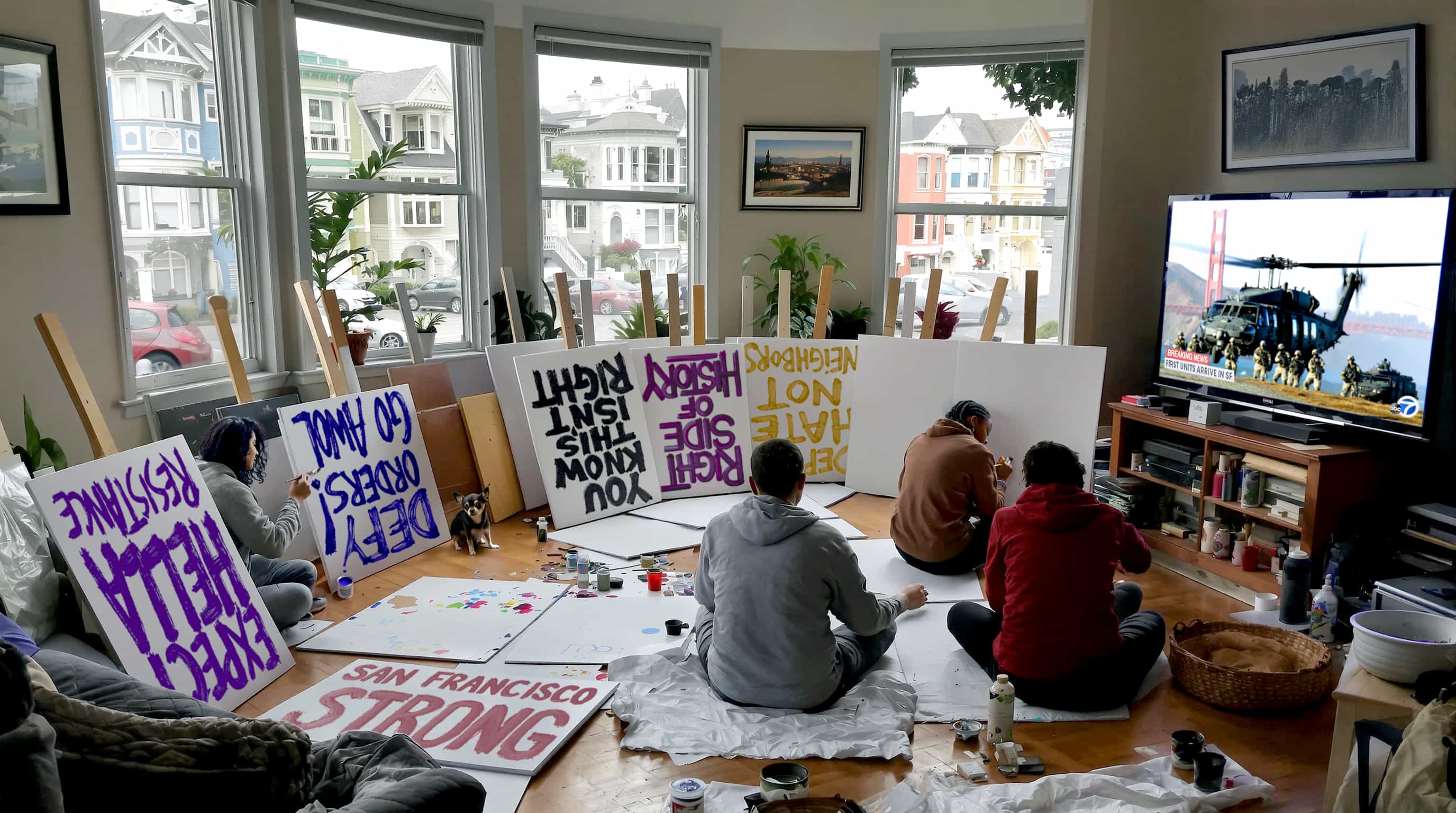
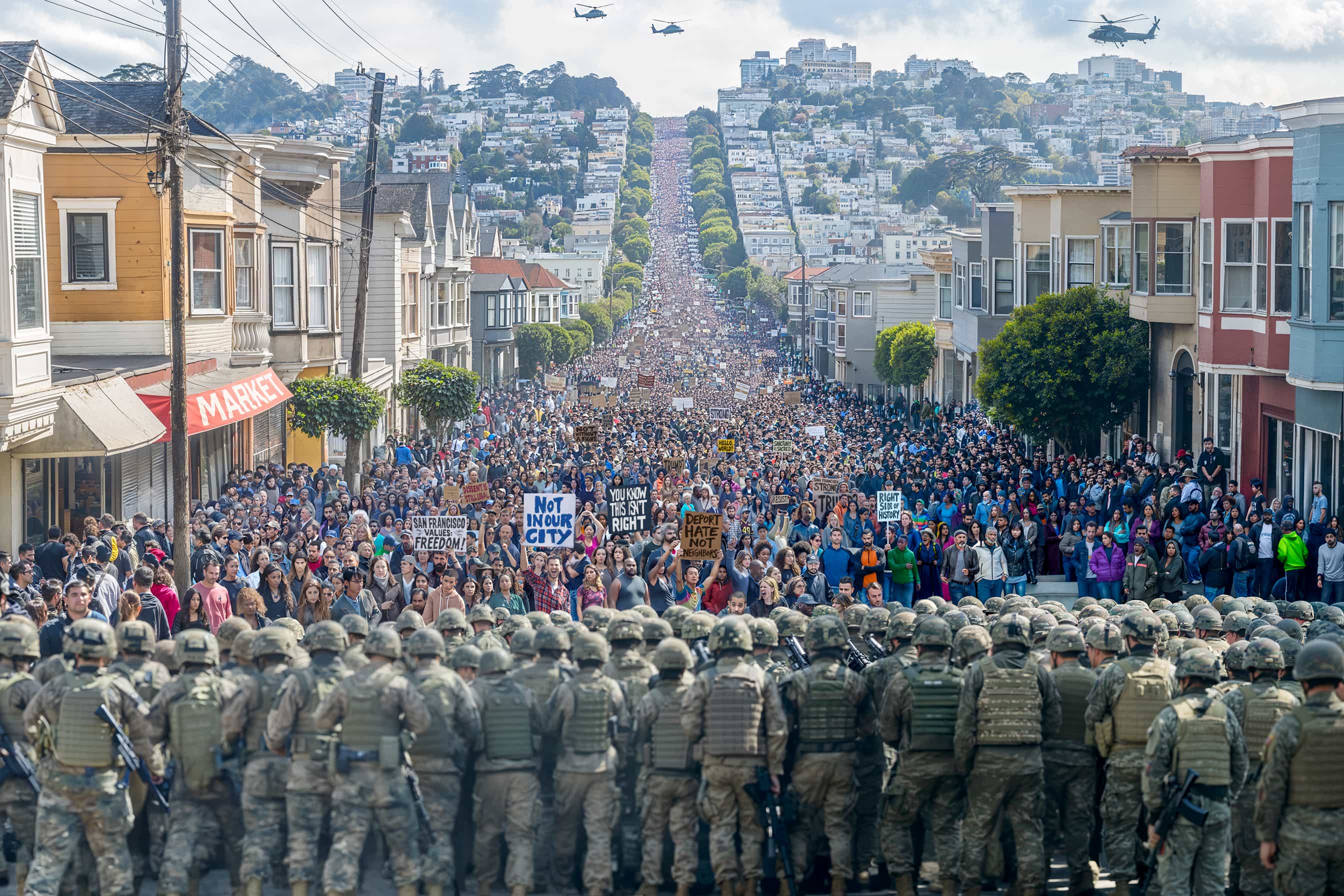
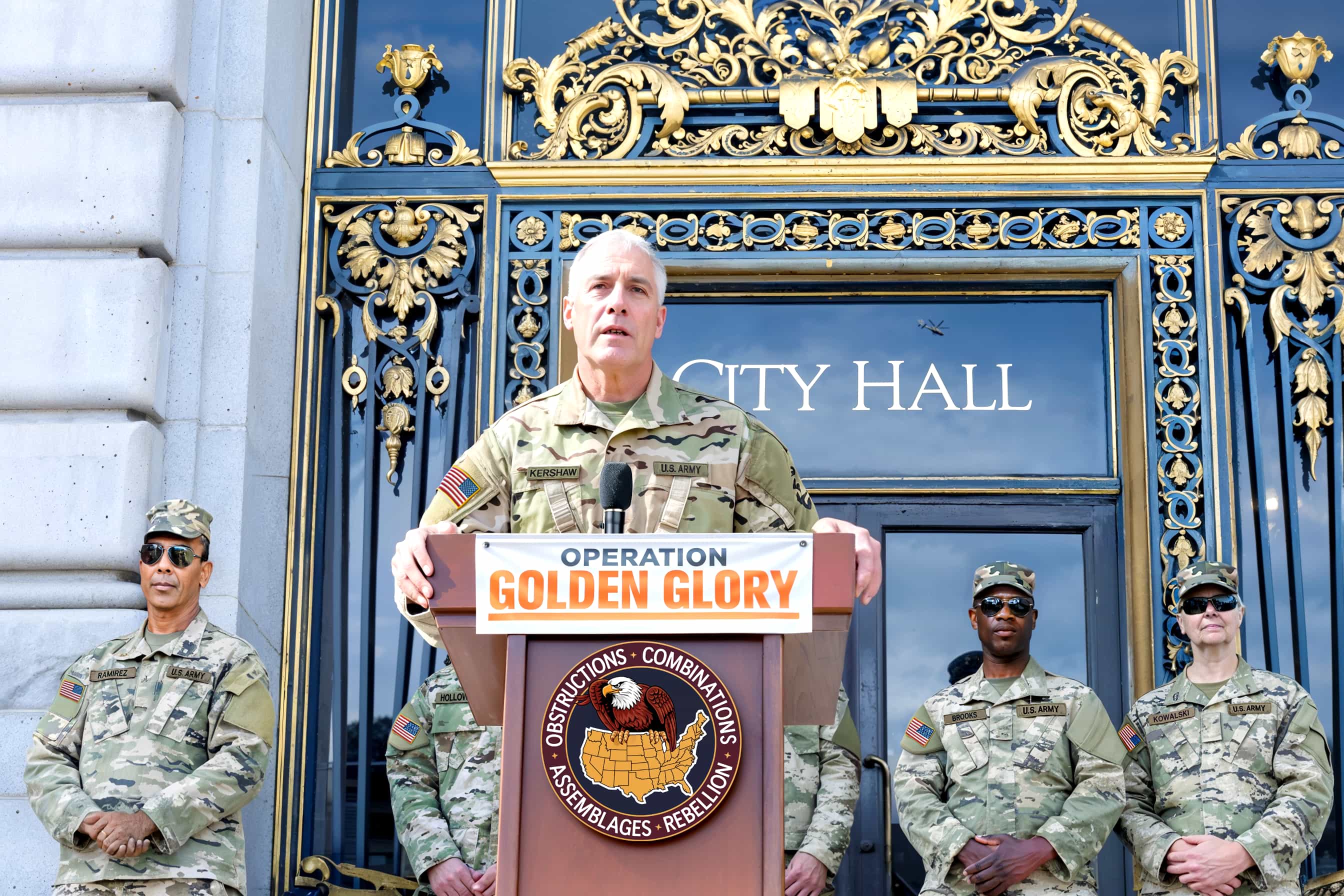
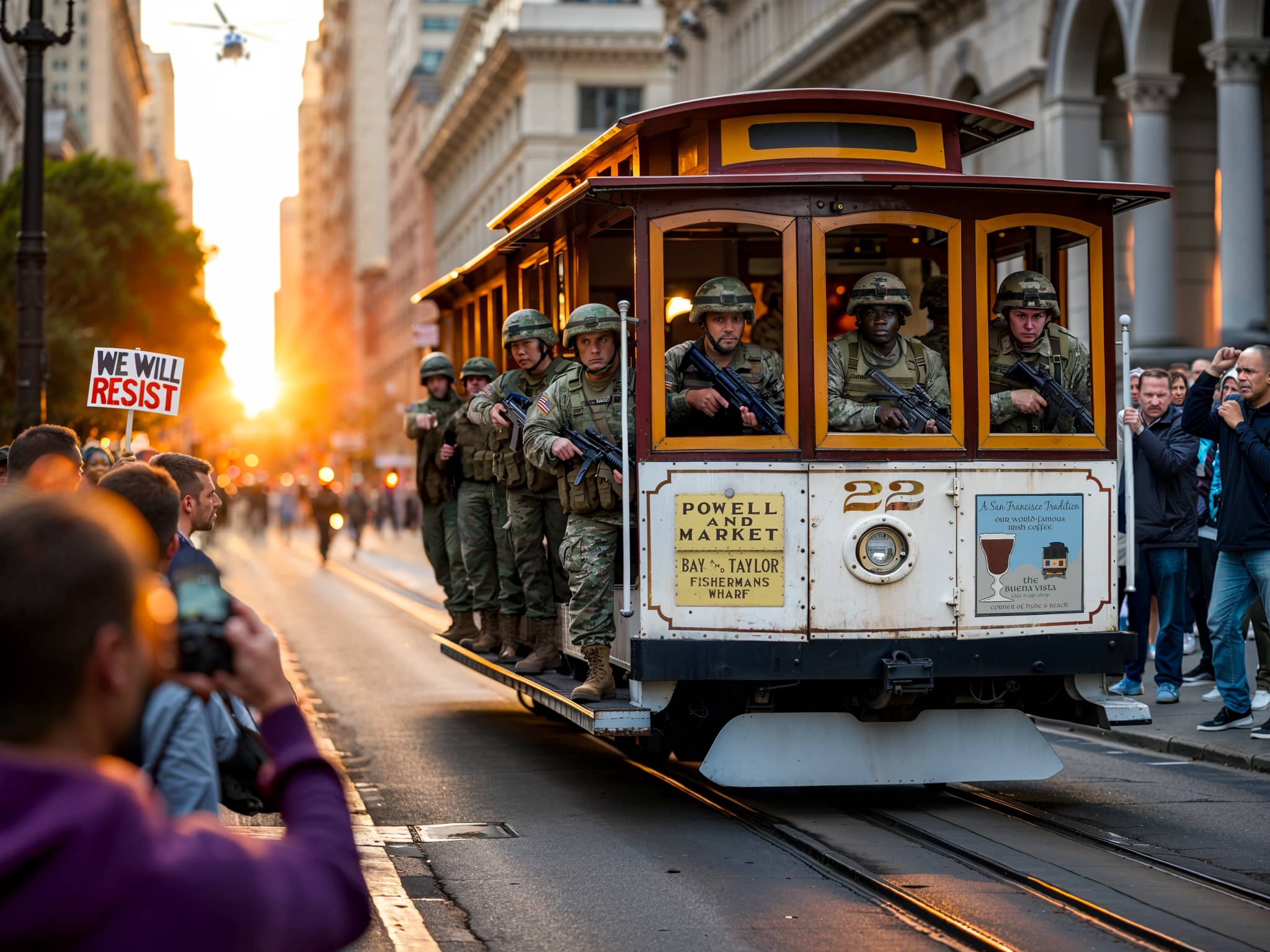
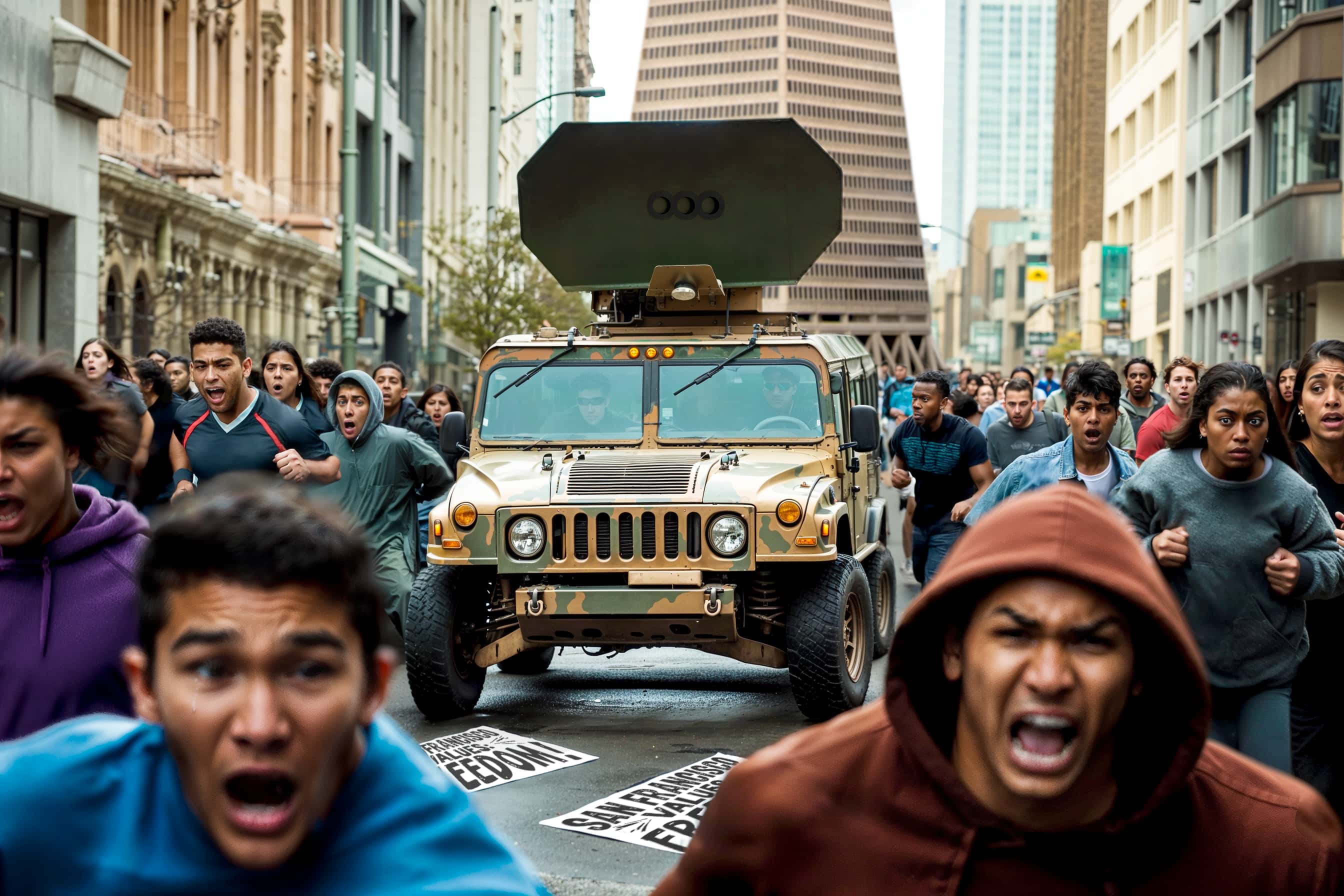
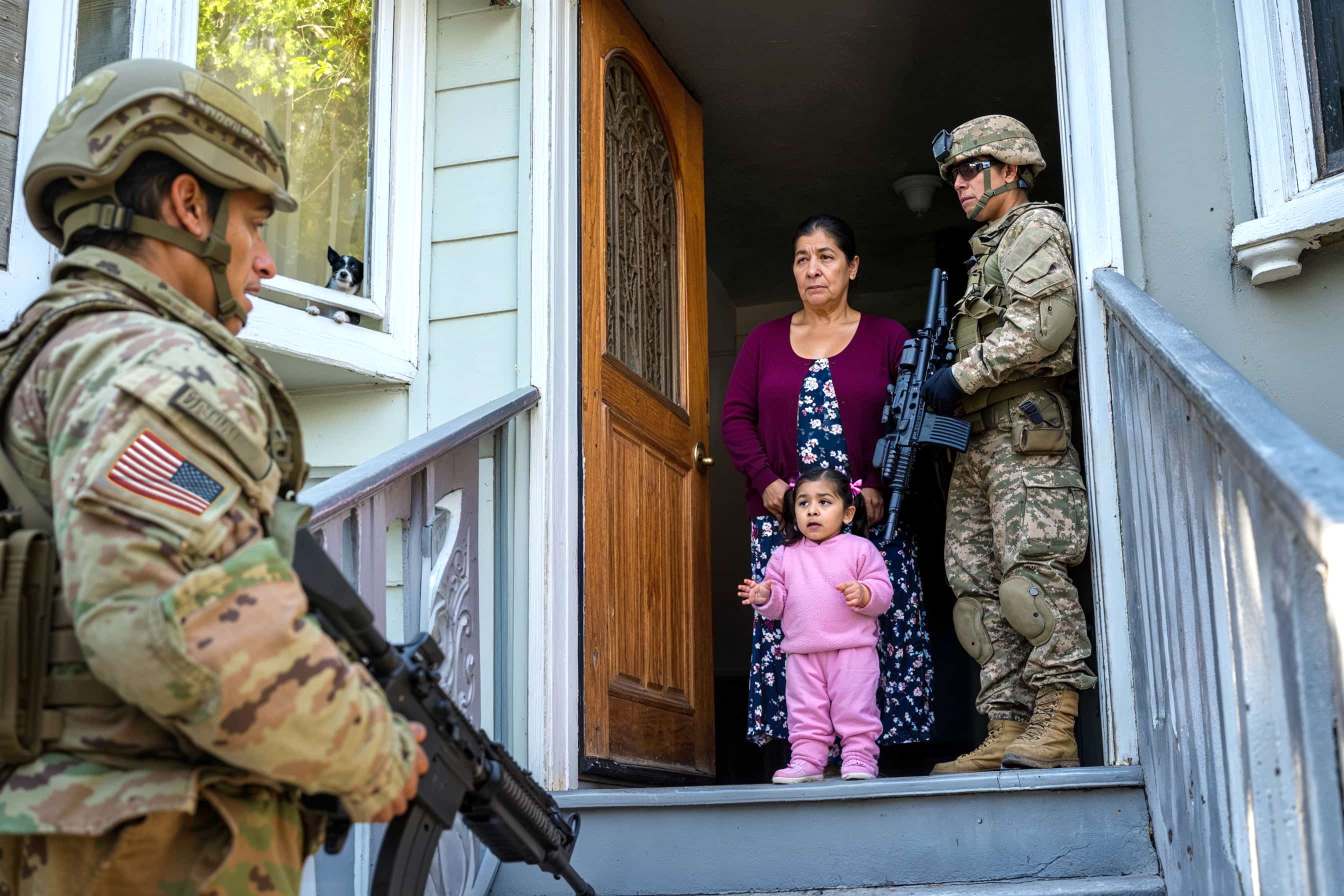
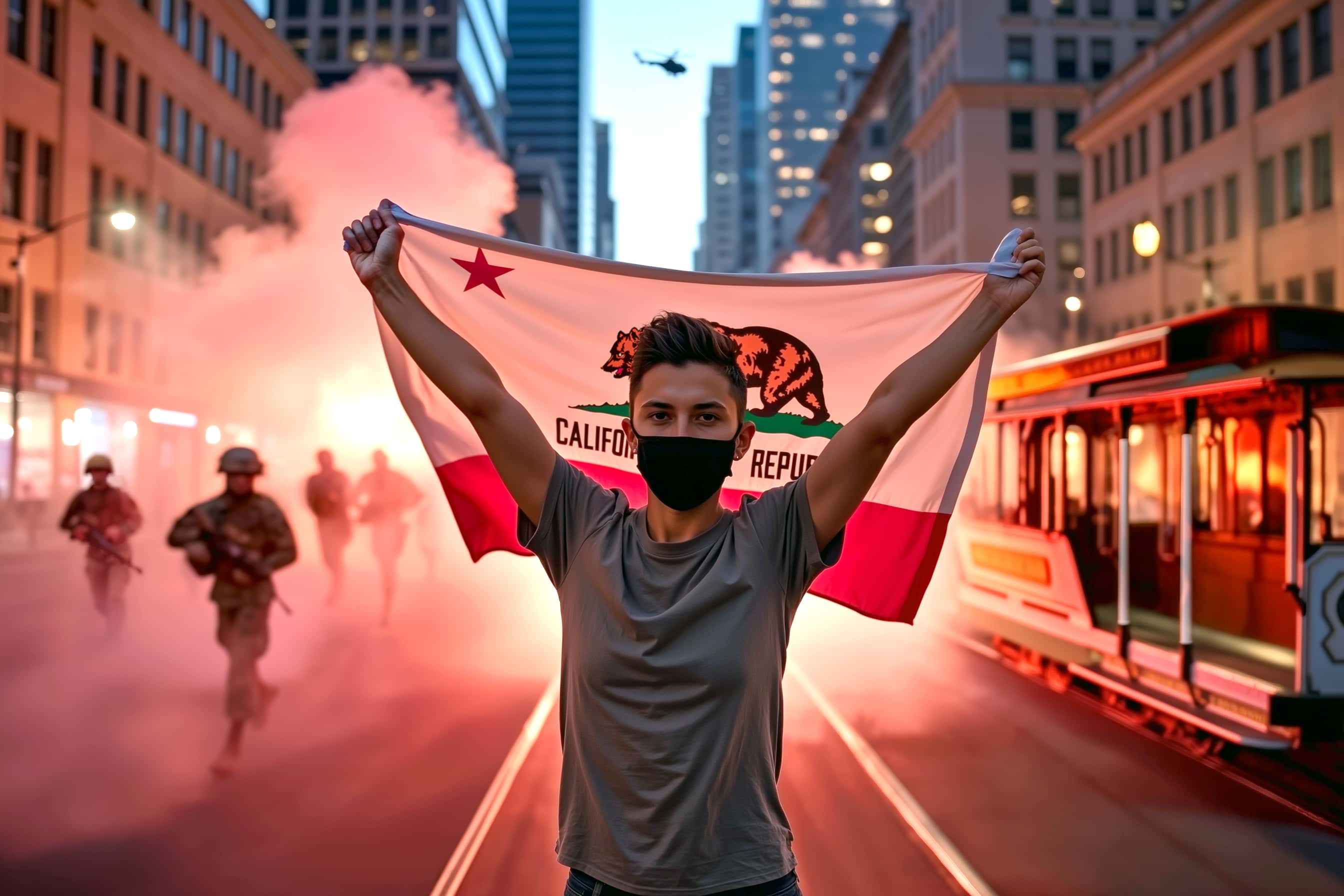
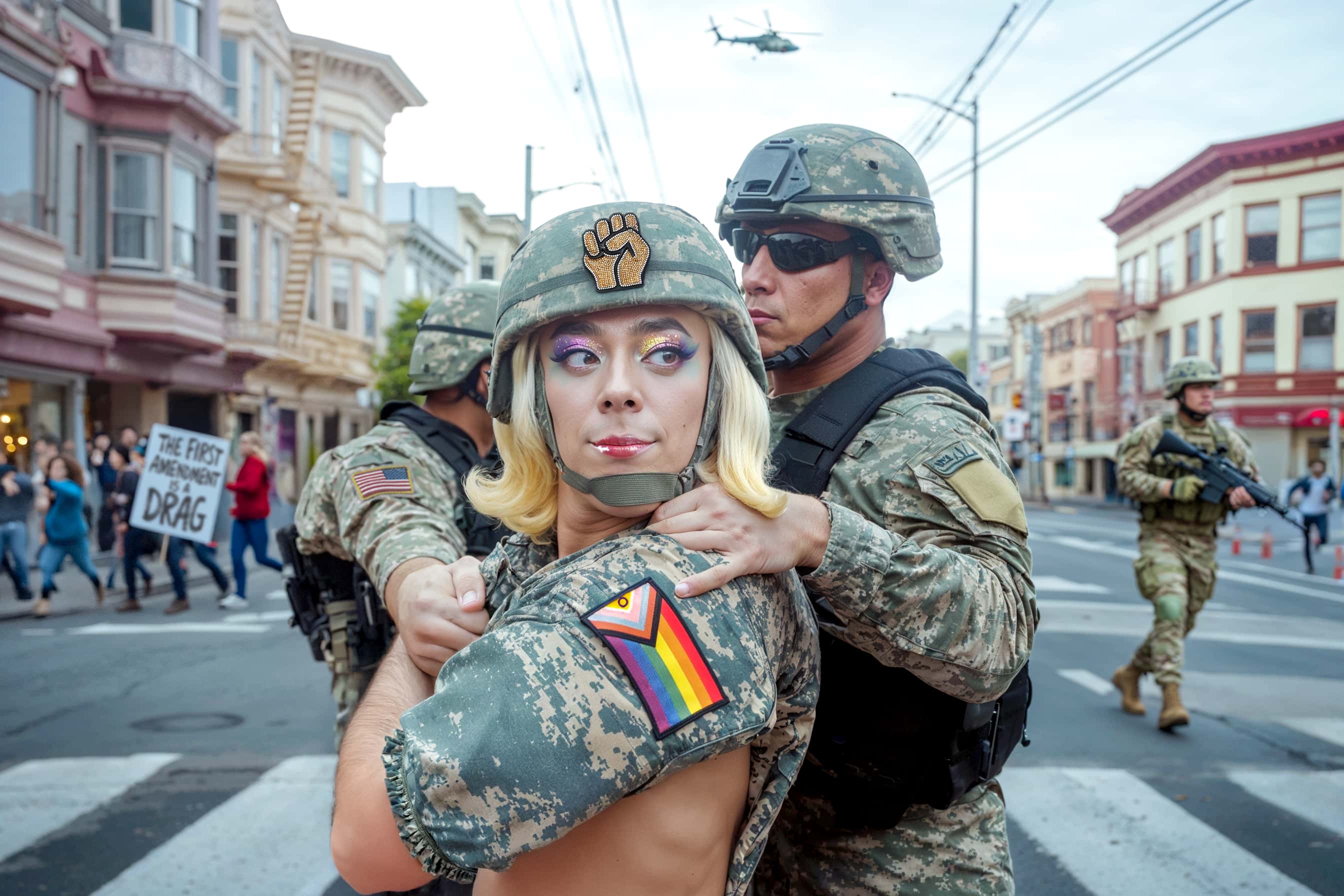
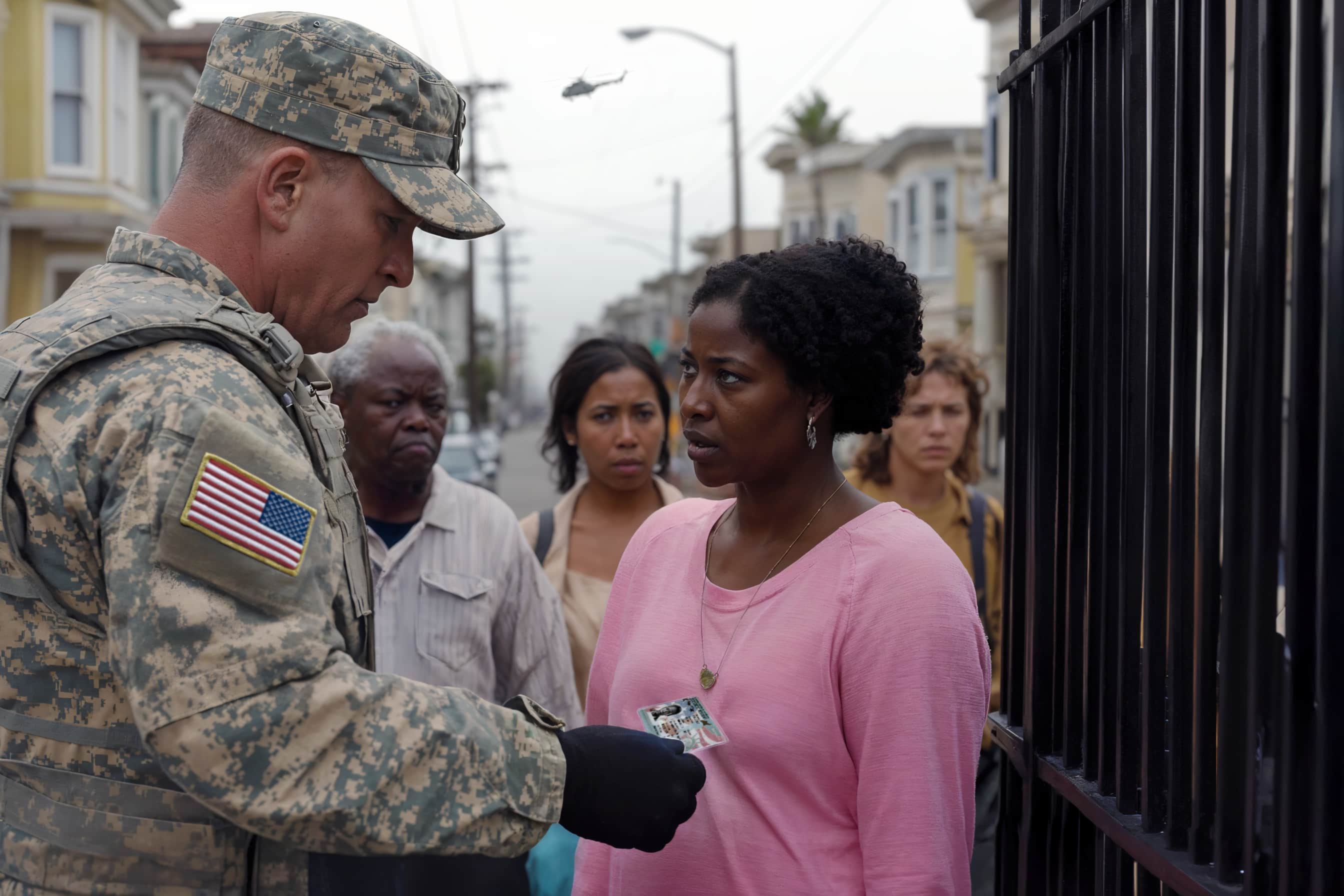
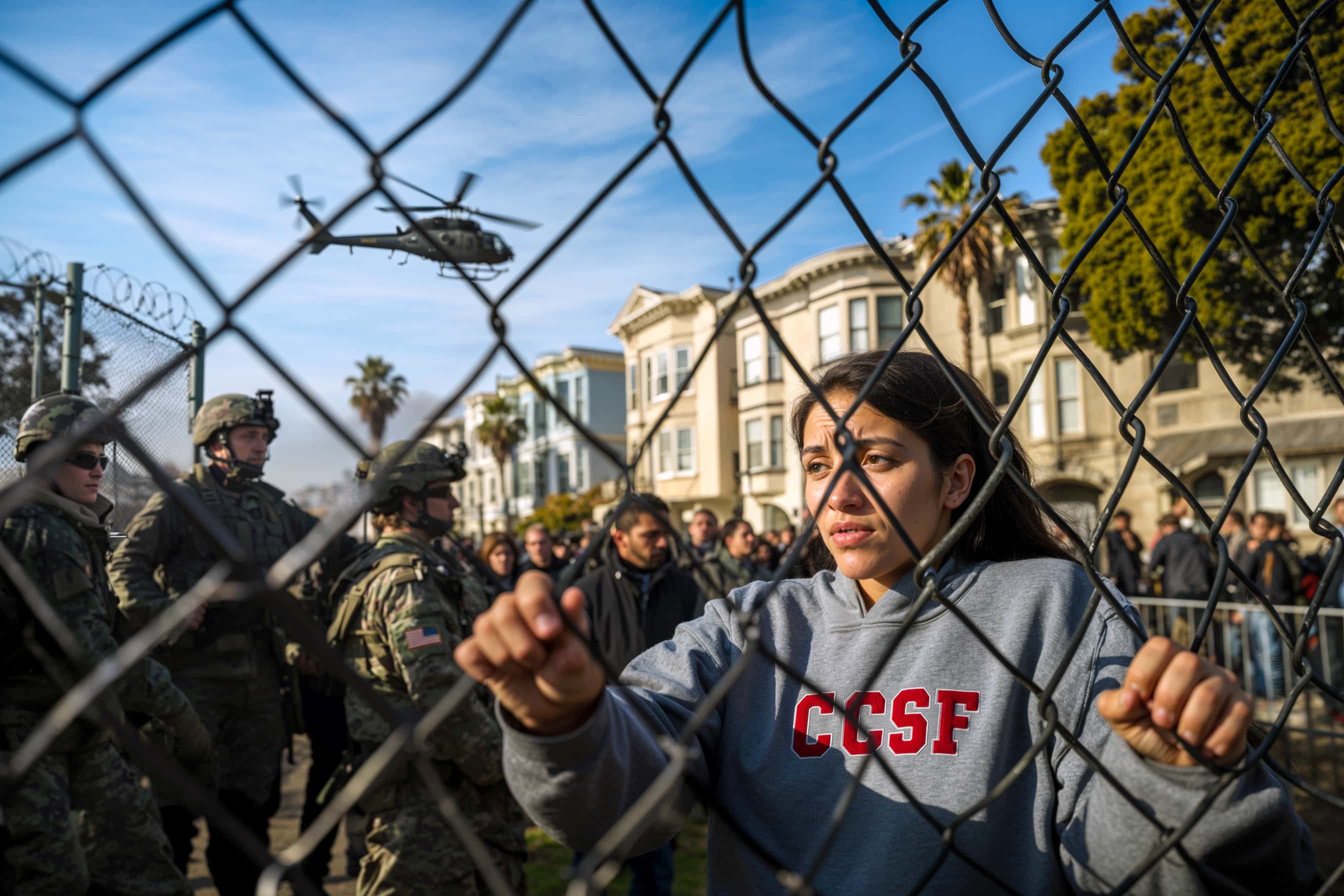
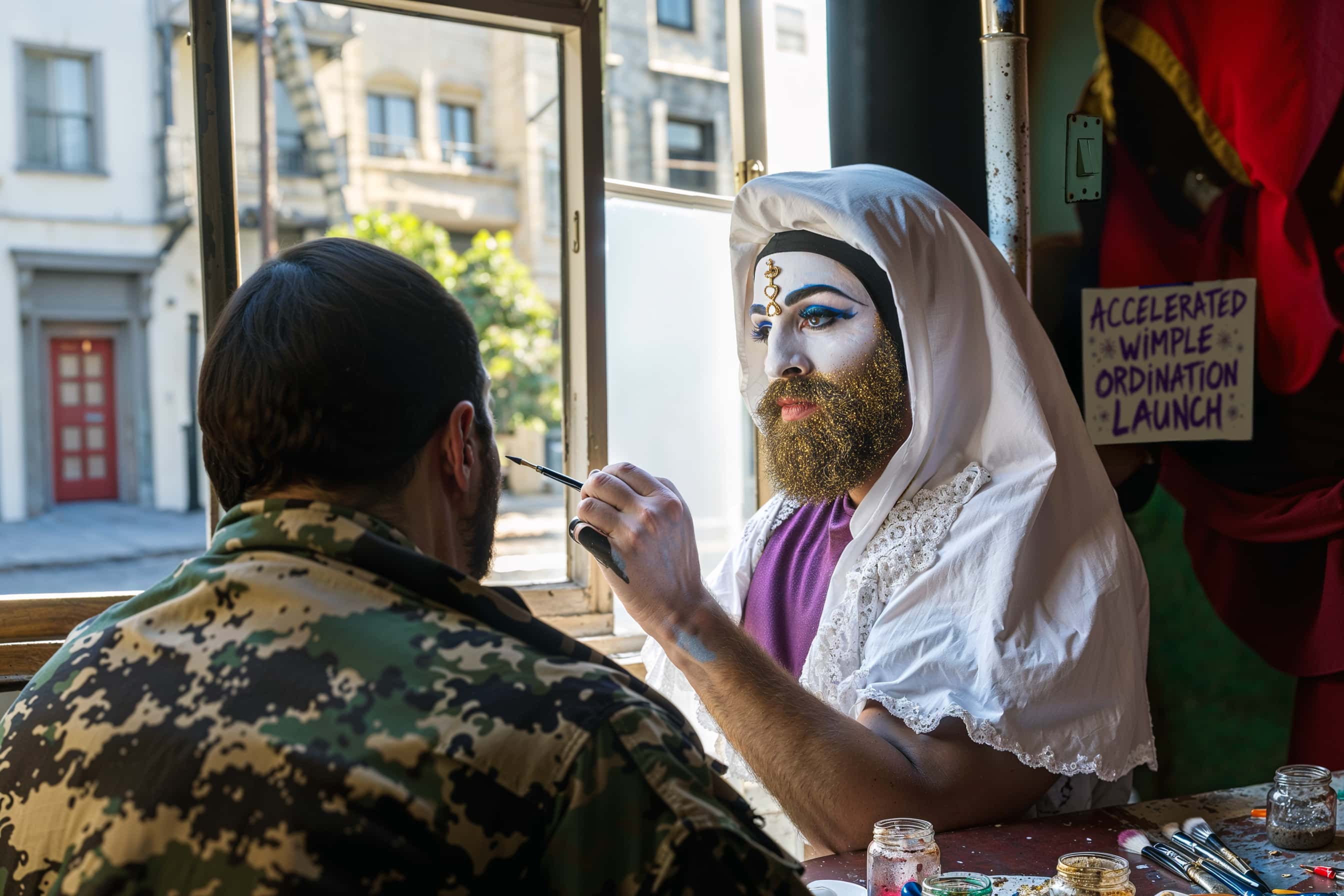
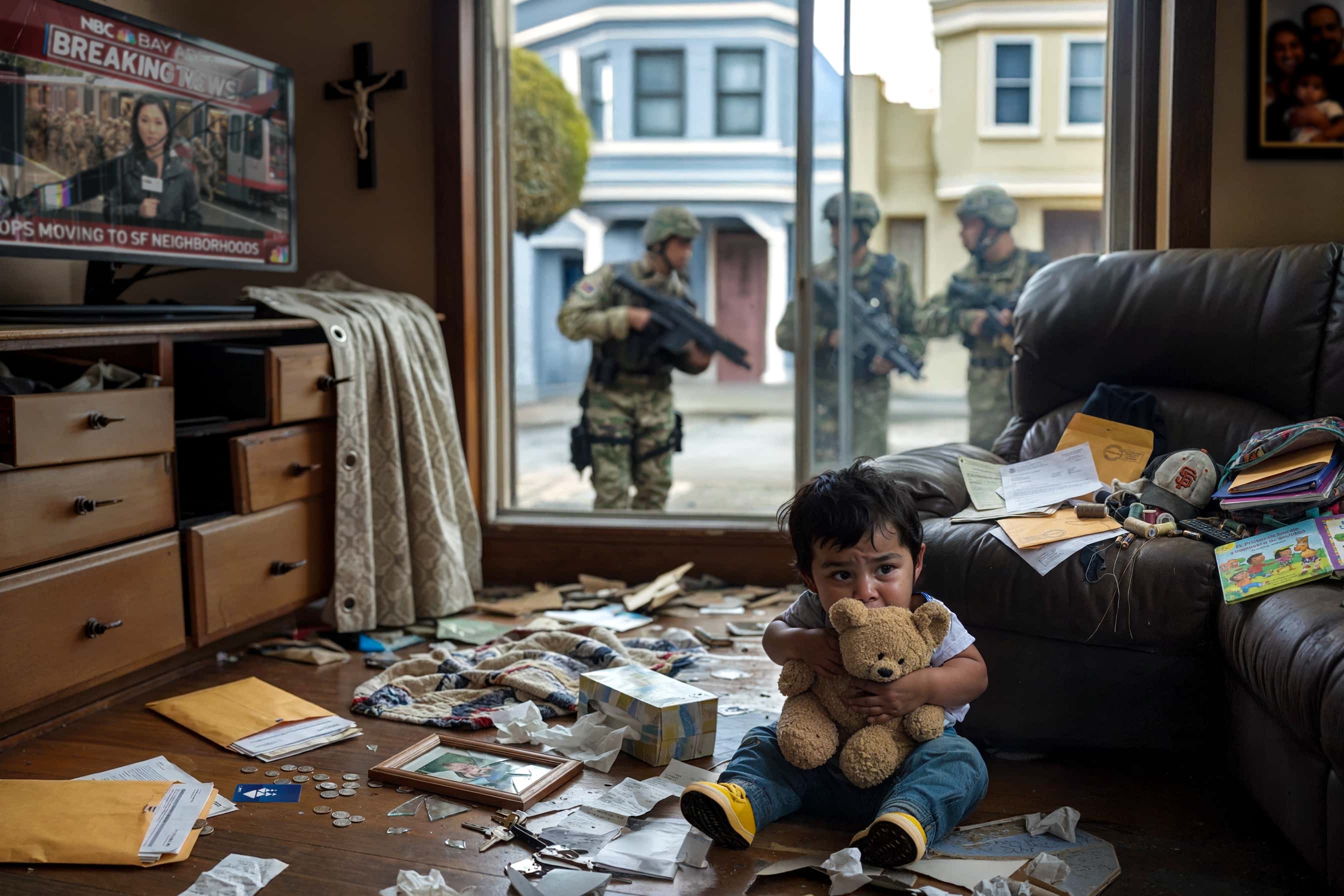
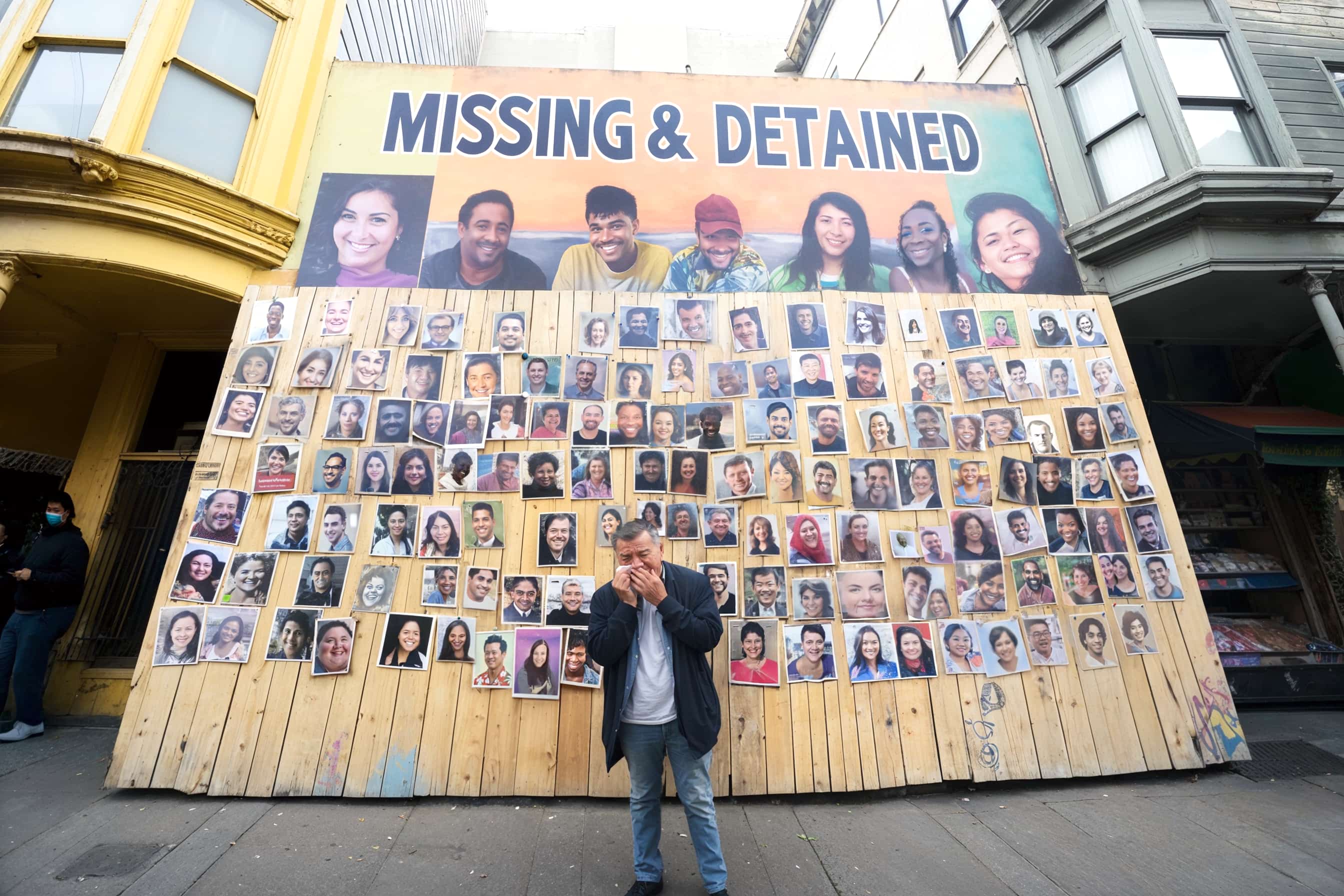
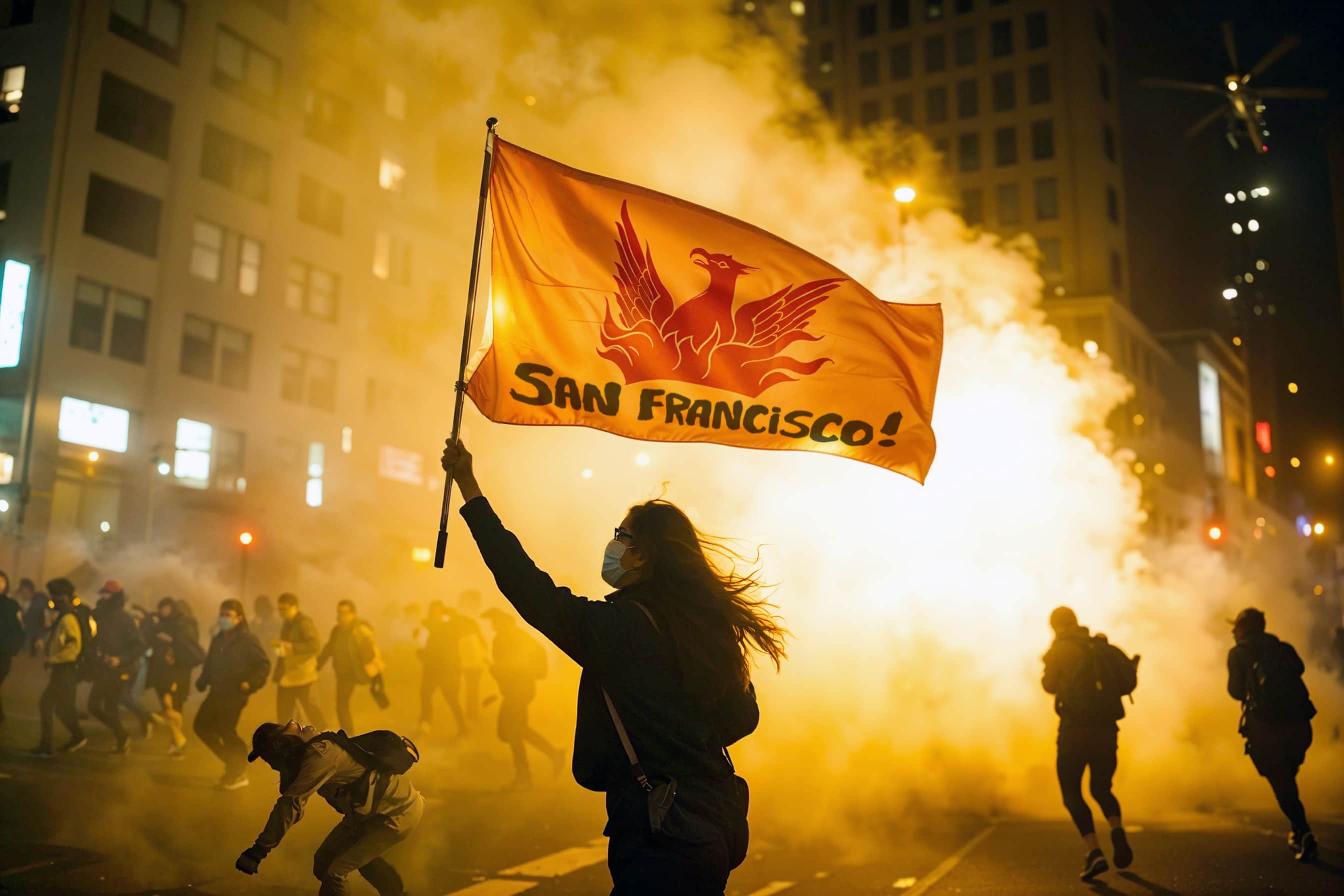
Told through 15 immersive, photojournalistic scenes set in San Francisco, the project captures both large-scale confrontations and intimate human moments under military occupation. These images ground abstract political concepts in emotional reality, making tangible what might otherwise remain theoretical. The narrative explores how diverse communities respond when facing extraordinary challenges to civil liberties, weaving together stories of institutional failure, community resilience, and individual courage.
Central to this exploration is the Insurrection Act itself, a dangerously ambiguous executive authority often described as “a loaded gun for any president.” Historically reserved for grave threats to national stability, this project expanded on evidence suggesting dramatically expanded domestic application. That focus has proven prescient: as federal courts have blocked troop deployments for exceeding presidential authority, the administration has responded by invoking the specter of the Insurrection Act as a means to circumvent judicial oversight—precisely the constitutional crisis this project warned against.
Methodologically, Insurrection is speculative journalism—an emerging form of reporting that investigates probable futures with the rigor of traditional journalism, the tools of strategic foresight, and the creativity and accessibility of speculative design. While speculative, the project draws from documented plans, statements by Trump and his advisors, analysis from constitutional scholars and military experts, and historical precedents of executive power’s expansion during moments of political instability. The images themselves, created using generative AI combined with meticulous refinement, aim for the visual credibility of photojournalism while maintaining transparency about their constructed nature. Like investigative journalism or data journalism before it, speculative journalism expands what journalism can be in an era that demands we understand the futures already unfolding in real-time.
Please Note: Insurrection: An American Future was first published in January 2025 as a work of speculative journalism. The core narrative was created before any actual federal troop deployments occurred and represents research-based assessment of probable developments rather than predictions of specific events. All depicted persons, specific incidents, and San Francisco-based scenarios remain fictional constructs created to explore constitutional and civic questions.
Since publication, many of the project's images have been refined or re-created using newer generative AI tools to more accurately realize specific San Francisco settings and help clarify key themes and narrative details originally envisioned. The Insurrection scenario itself—including image captions, narrative sequence, and all accompanying journalism—remains exactly as first published in January 2025.
About the Creator
Jason Tester is a strategic futurist and speculative designer whose work explores the human consequences of political, technological, and social transformation. For over twenty years, he has used visual and immersive storytelling to make abstract future possibilities more understandable, accessible, and emotionally resonant for diverse audiences.
Tester has been a leading figure in the field of speculative design since the practice began to take shape. At the Institute for the Future in Palo Alto, where he served as research director for a decade, Tester helped lead the organization’s experimentation with and transition to new media and narrative formats. His work has encompassed hundreds of “artifacts from the future”—what-if postcards, news broadcasts, product prototypes, and first-person accounts that reflect an array of emerging technologies, social phenomena, and cultural shifts. These creations have enabled organizations, governments, and communities to viscerally experience how their decisions could shape, and be shaped by, possible futures.
Most recently, Tester has incorporated generative AI tools into his practice which, combined with decades of experience as a digital illustrator, enable him to prototype future worlds, alternate histories, and parallel realities with unprecedented complexity and visual fidelity. Tester is a fierce advocate for democratizing futurism—expanding whose ideas about the future get heard and making the creation of compelling future narratives accessible beyond corporate and institutional settings.
Originally from the Midwest, Jason has lived in San Francisco for 21 years.